Follow-up that does not rely on remembering: what the system needs to record
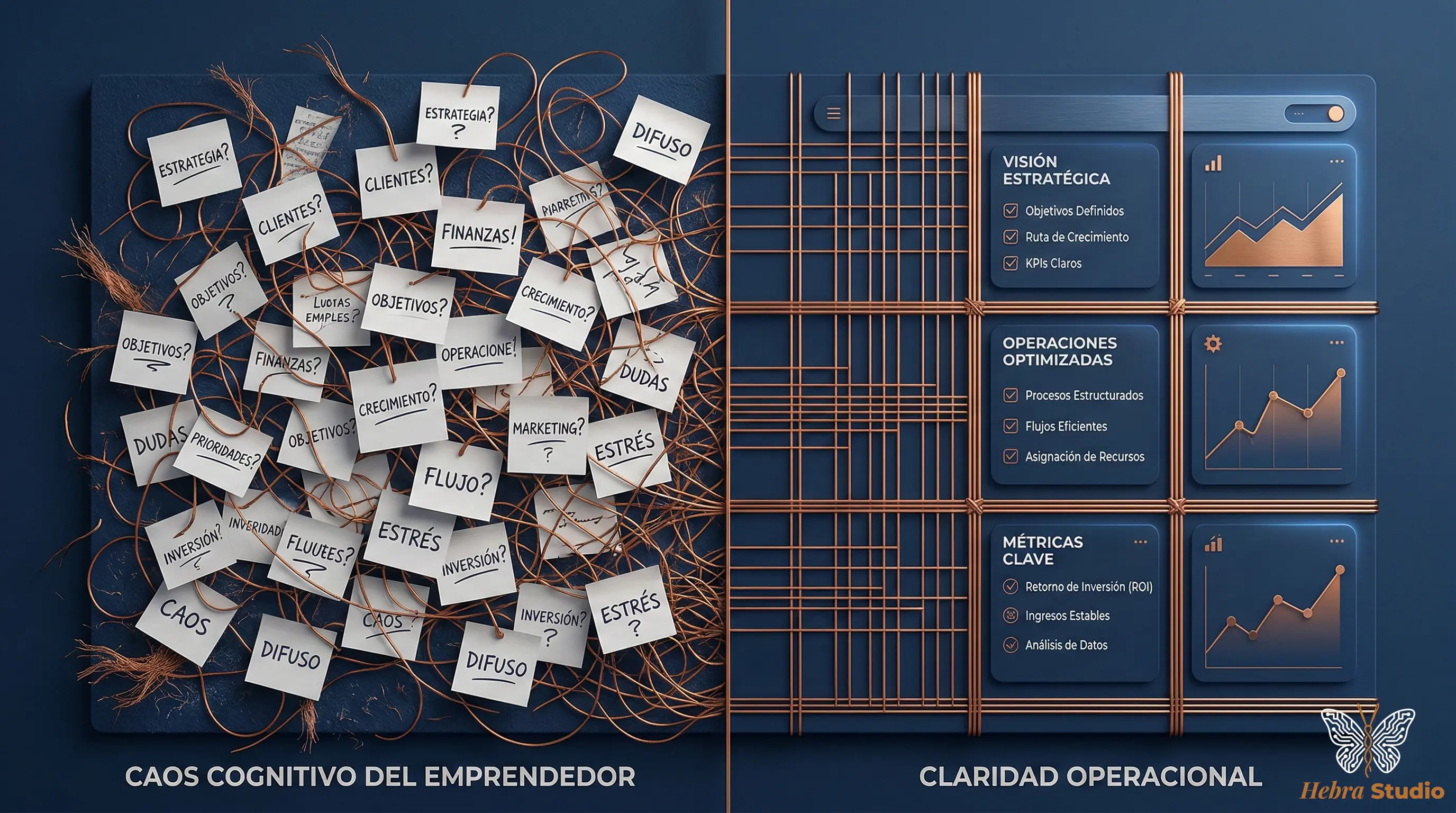
Taking a pending task out of your memory requires more than an automatic alert: status, next step and an owner. A small trial shows whether checks decrease or multiply.

Google Sheets and AppSheet let you trial a movement register. Reliability depends on the initial count, capture, synchronisation and controls on how it is used.
A chatbot can explain a delivery policy without knowing an order’s status. I suggest a limited task, concrete tests and a way to hand the conversation to a person.
A system can collect an enquiry and prepare it for review. To help, it needs real opening hours, clear statuses and a handover that someone will handle.
An emailed order helps separate what a model interprets from what the system validates. The first trial should measure review, exceptions and authorised actions.
A review request can sit alongside private complaint handling. How to organise both without selecting satisfied customers, applying pressure or promising rankings.
Business size does not decide what to automate. Frequency, review time and maintenance can justify a small change or make waiting the better choice.
A scheduled overnight task needs defined inputs, failure reporting and a morning review. A weekly report shows what that means in practice and what remains to measure.
Excel can support collaboration and automation. Changing systems depends on relationships, permissions, historical records and maintenance, rather than counting repeated columns.
Before bringing in more assignments, check where they wait and why. A hypothetical case separates incoming demand, available capacity and the backlog.